
A written scope
We define the door type, hardware, framing adjustments, code requirements, and exclusions before work begins.
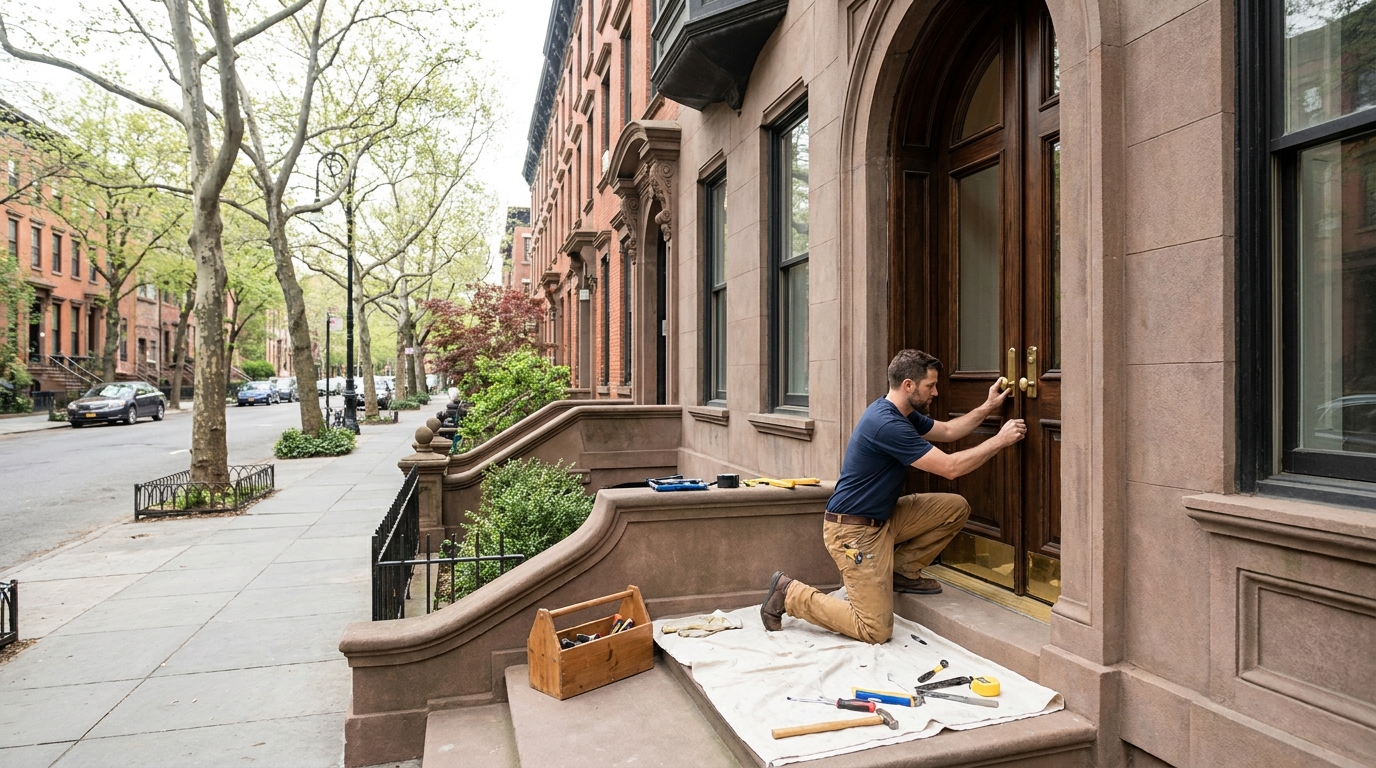
Premium door supply, residential and commercial installation, structural repair, fire-rated doors, hardware, and emergency service across Brooklyn, Manhattan & Queens.
Location access only checks whether you appear to be within our Brooklyn, Manhattan & Queens coverage bounds. It does not promise project availability, a start date, or an arrival time.
What we do
Ten door services across Brooklyn, Manhattan & Queens. Explore supply, installation, repair, hardware, and emergency options.
View all services →The Hillman Door Supply and Door Repair approach
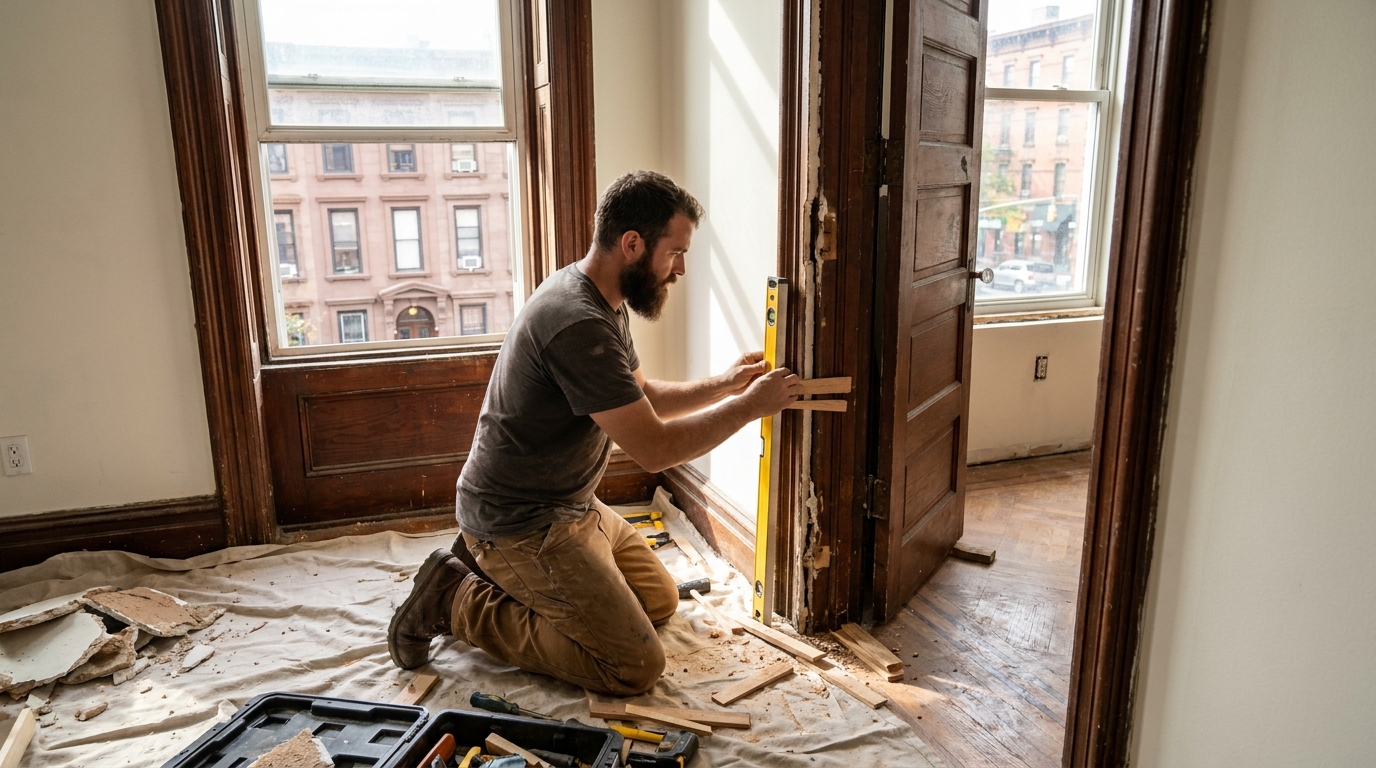
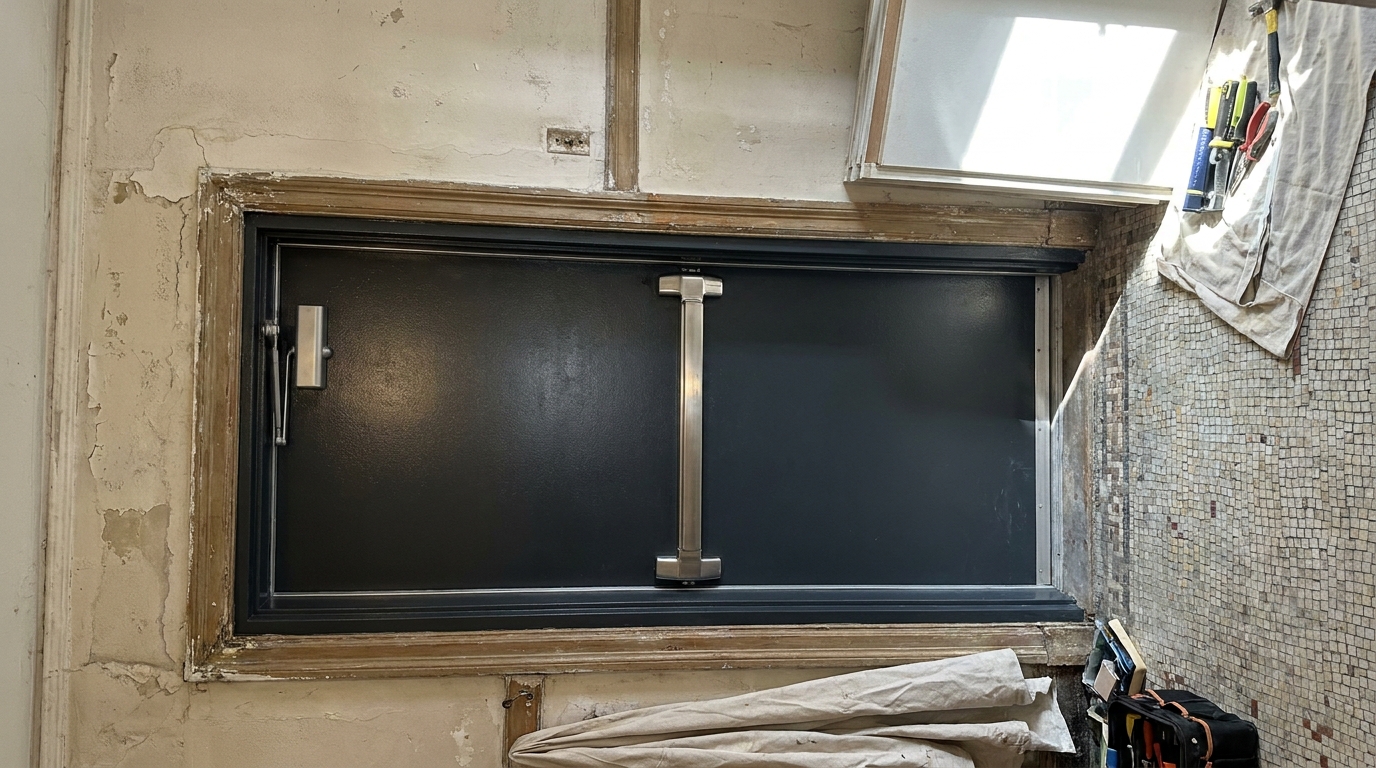
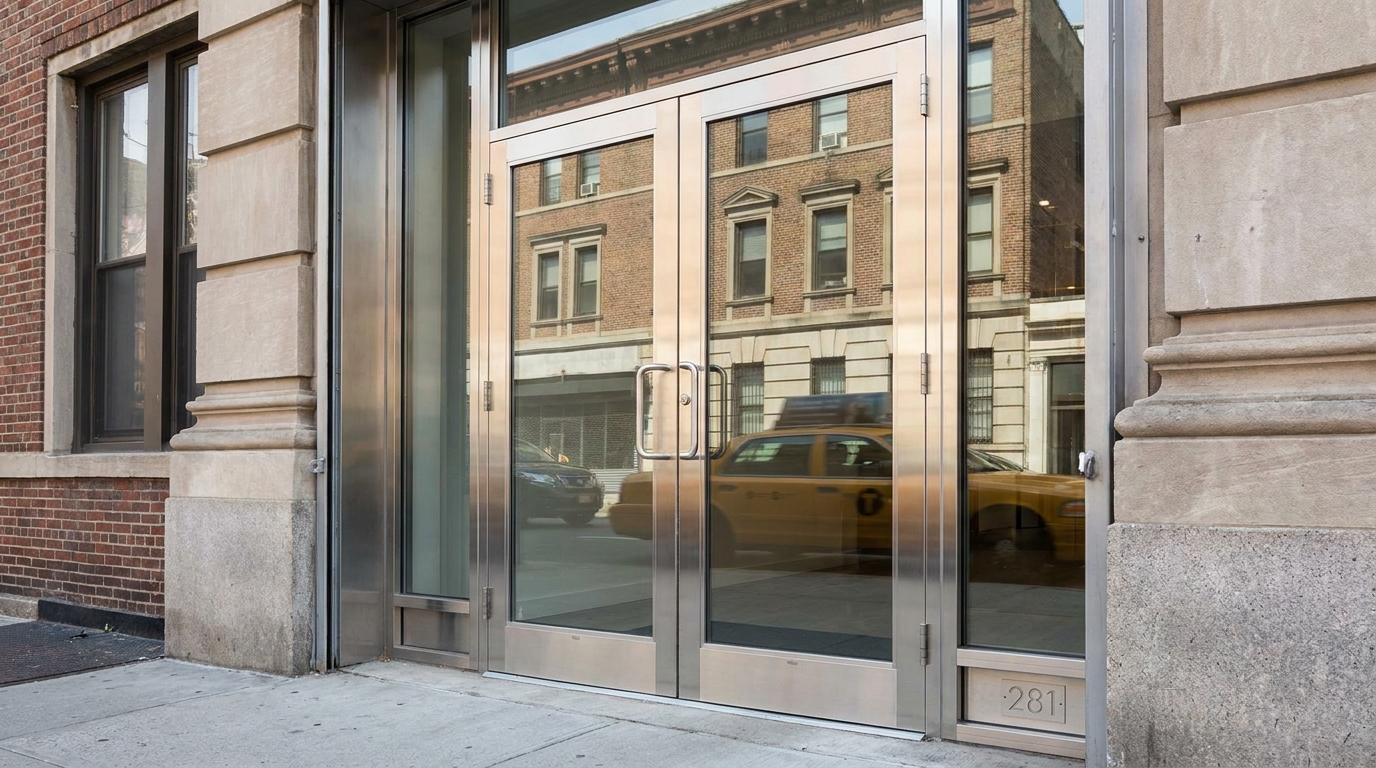
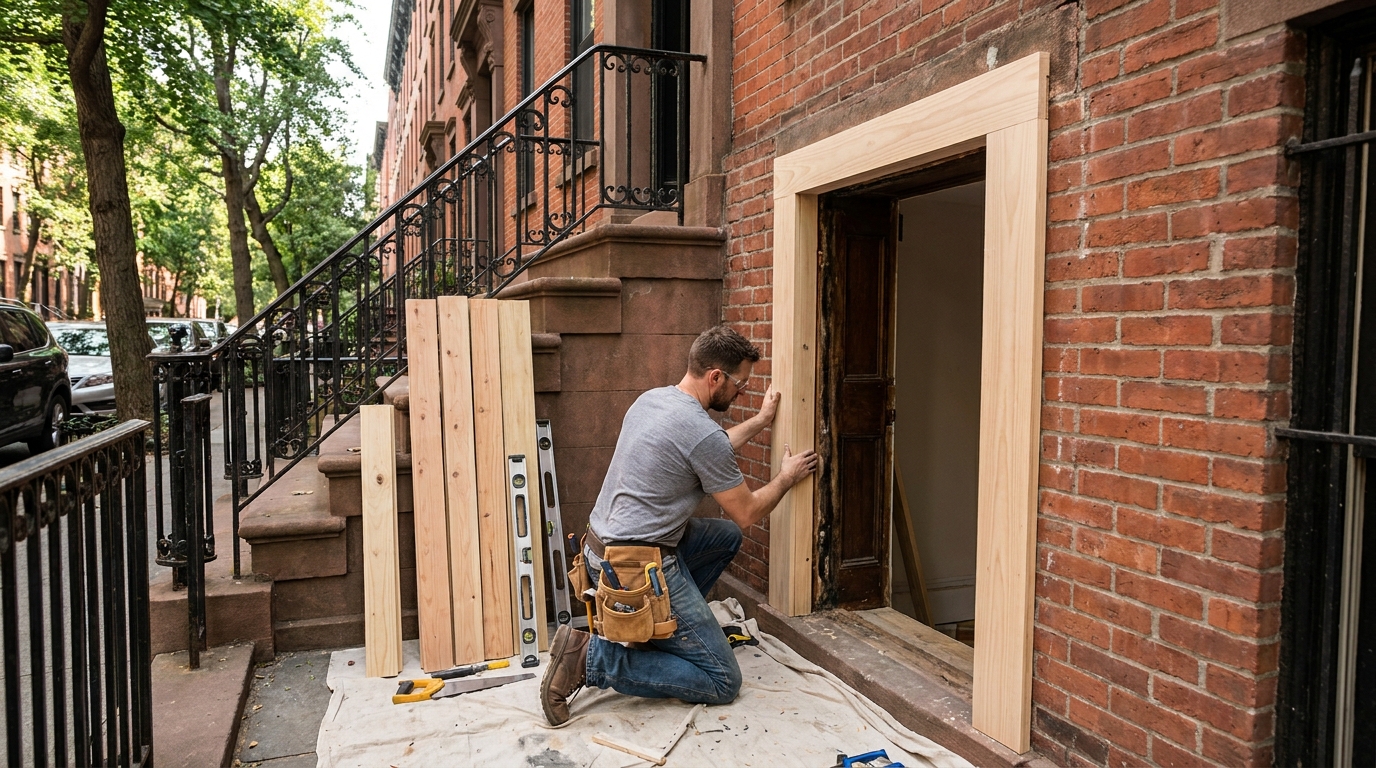
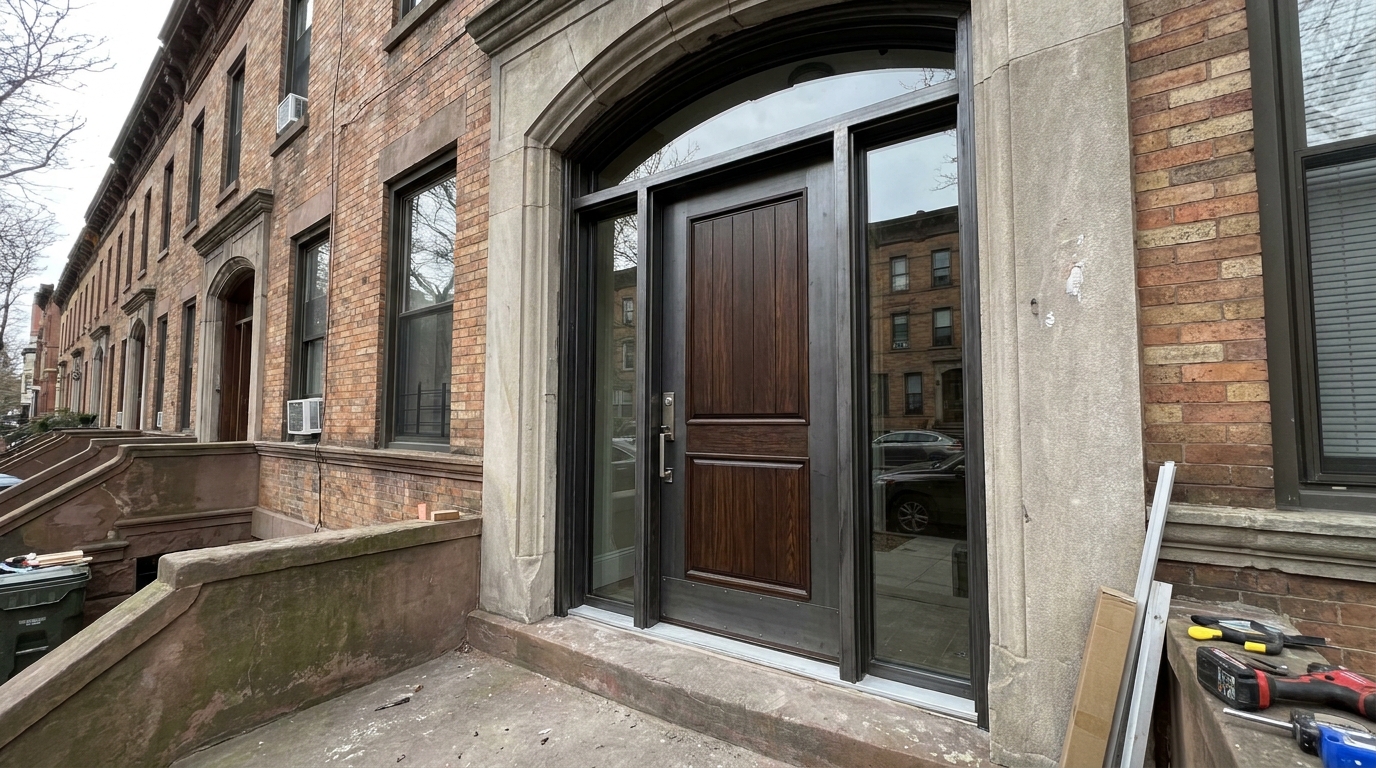
The imagery shown is project inspiration and represents the kind of door work we perform. It is not presented as a gallery of completed customer projects.
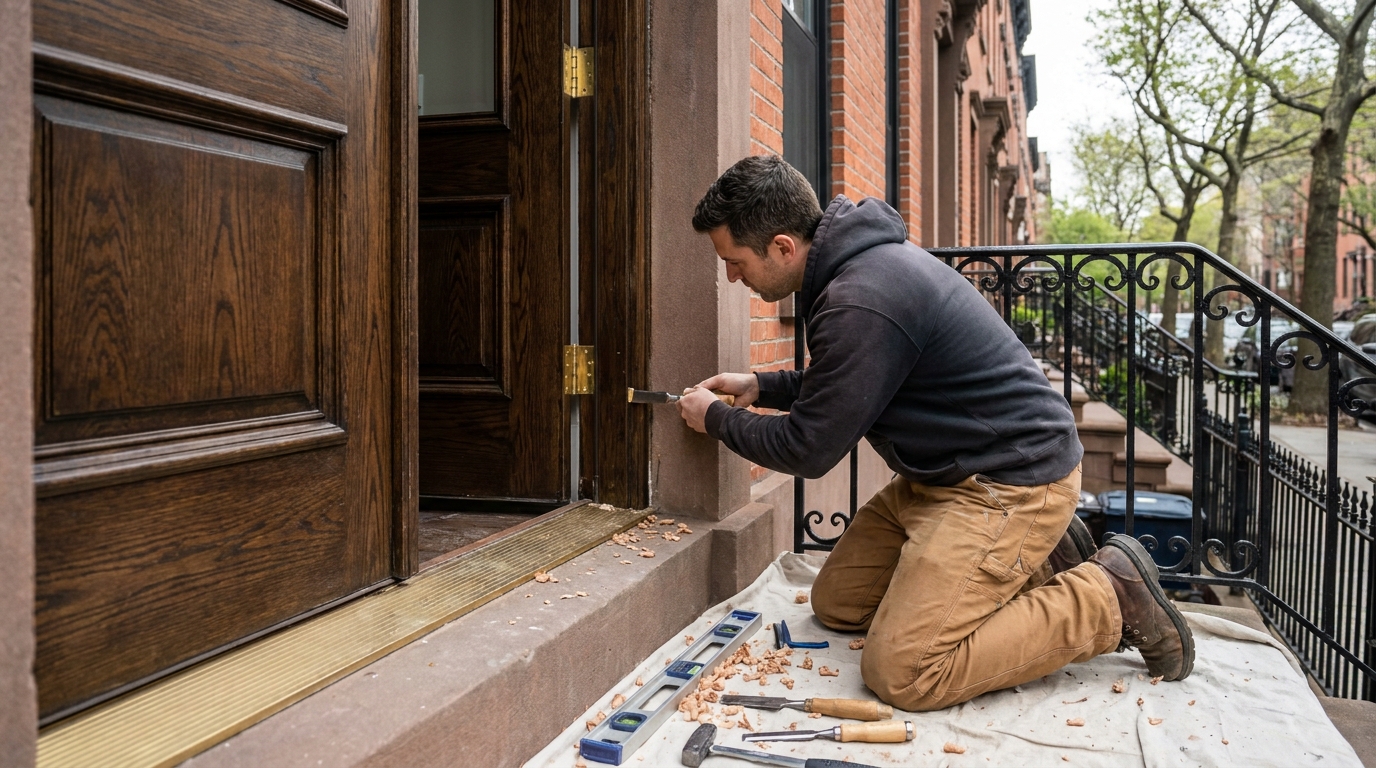
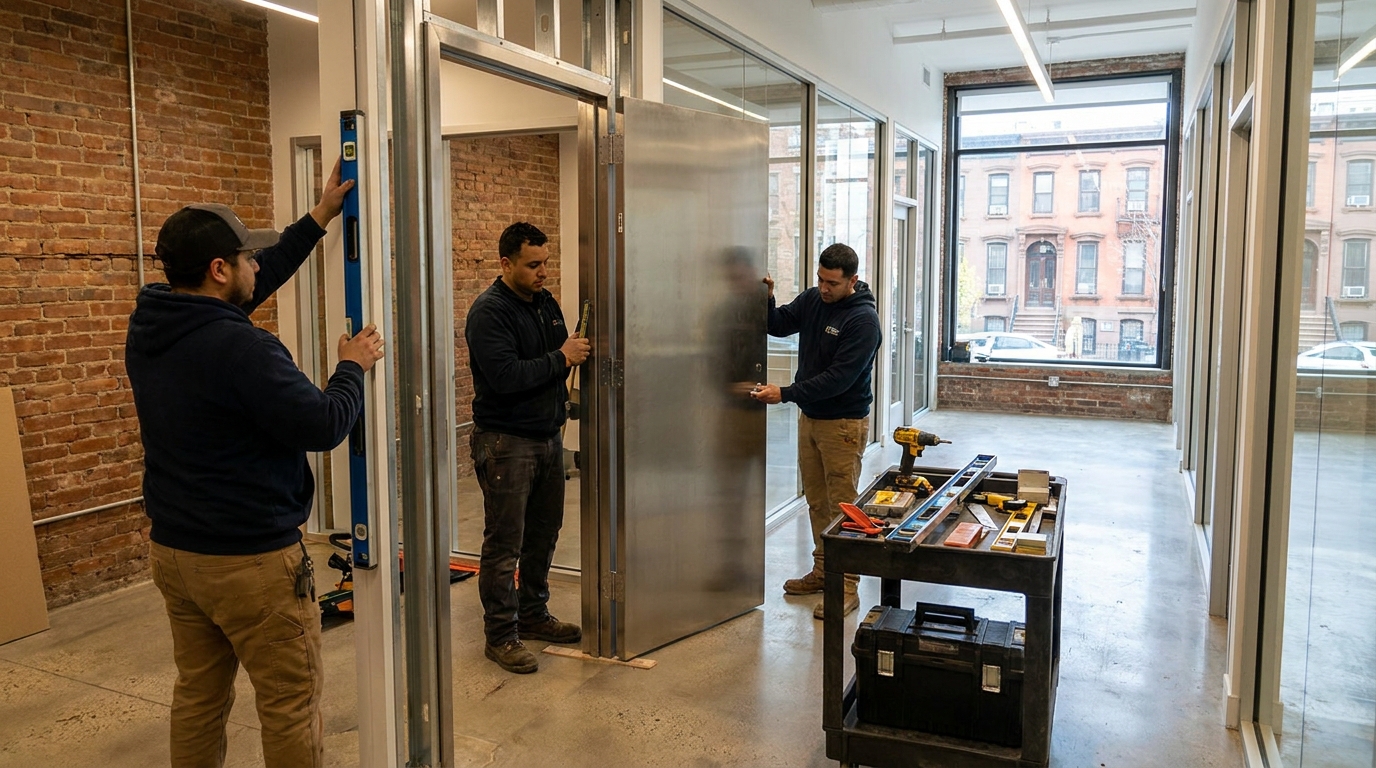


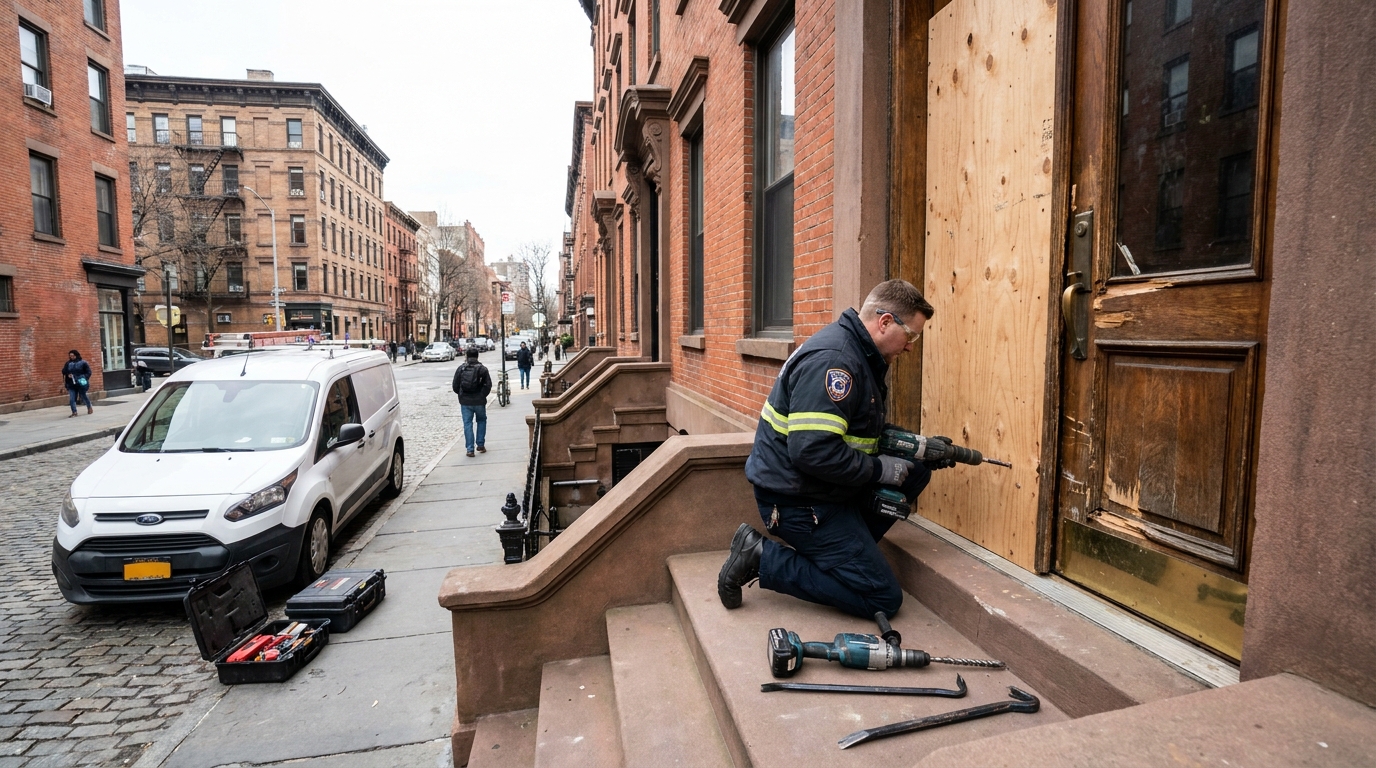
Project inspiration
Inspiration imagery is illustrative and is not presented as completed customer projects.
Service Areas
Door supply, installation, and repair across 100+ NYC neighborhoods and communities.
Coverage
Customer experience
These are our service commitments, not customer testimonials or a published rating.
We define the door type, hardware, framing adjustments, code requirements, and exclusions before work begins.
You receive practical scheduling updates and a direct way to ask questions about your project.
We plan protection for floors, furnishings, occupied areas, and common spaces before installation or repair.
We remove project debris, review the completed scope with you, and address agreed punch-list items.
In depth
Practical answers from Hillman Door Supply and Door Repair to help you compare door scopes in Brooklyn, Manhattan & Queens. Tap a question to expand.
A clear scope identifies the door slab, frame, hardware, weatherstripping, fire rating, and any framing adjustments. Existing damage or structural repairs outside the door scope should be identified before work begins.
Multifamily, commercial, and mixed-use buildings in NYC often require UL-listed fire door assemblies in corridors, stairwells, and certain tenant separations. The written scope should identify the required label, self-closing hardware, and smoke-seal components.
Hardware selection depends on door weight, traffic, security goals, and ADA requirements. Locksets, closers, hinges, panic hardware, and access-control prep should be matched to the door and building use rather than treated as interchangeable.
Many binding, sagging, or latch problems stem from jamb settlement, hinge wear, or strike misalignment — not a failed slab. Structural repair can restore smooth operation and secure closure while preserving original materials when possible.
Accurate on-site measurement accounts for jamb width, header height, floor clearance, swing direction, and existing casing. Pre-war and masonry buildings often need field verification before ordering a slab or custom fabrication.
Settlement, humidity swings, masonry movement, and high-traffic use can affect how doors hang and latch. A responsible scope accounts for the building type — brownstone, loft, multifamily, or storefront — instead of assuming a standard rough opening.
The closeout plan should cover removal of old doors and debris, hardware testing, latch alignment, and a walkthrough against the written scope. Any agreed adjustments should be documented before the project is considered complete. Call (718) 638-4271 to discuss your project in Brooklyn, Manhattan & Queens.
Buyer's guide
A useful door estimate identifies the slab, frame, hardware, code requirements, and exclusions. Use this checklist before approving a scope.
1. Compare the same components. Confirm which door slab, frame, hardware, weatherstripping, and trim are included and which are excluded.
2. Define framing and prep work. Jamb adjustments, header work, threshold replacement, and masonry or drywall repairs should be described instead of grouped into a vague “prep” line.
3. Record door and hardware specs. Note the manufacturer, fire rating, core type, finish, and hardware grade. Product selection affects security, code compliance, and longevity.
4. Clarify code and ADA requirements. Ask whether the quote addresses fire labels, self-closing hardware, clearances, and any DOB or FDNY documentation needed.
5. Plan hardware approval. Confirm who selects locksets, closers, and access-control prep, and when hardware must be locked to protect the schedule.
6. Review access, timing, and cleanup. Occupied buildings need phased scheduling. Confirm debris removal, protection of common areas, and the final walkthrough.
Hillman Door Supply and Door Repair serves Brooklyn, Manhattan, and Queens and answers project questions at (718) 638-4271. Compare estimates only after the door type, hardware, framing, and closeout expectations are aligned.
Glossary
These are the terms Hillman Door Supply and Door Repair uses when discussing scope, hardware, and installation expectations.
Door slab — the door panel itself, separate from the frame, hardware, and casing.
Jamb — the vertical frame members the door hangs on; includes the hinge side and strike side.
Rough opening — the framed gap in the wall before the door assembly is installed.
Fire-rated assembly — a UL-listed door, frame, and hardware combination rated for a specific fire duration (e.g. 90 minutes).
Strike plate — the metal plate on the jamb that receives the latch or deadbolt; alignment affects whether the door closes securely.
Door closer — a mechanical device that controls swing speed and ensures self-closing for code compliance.
Weatherstripping — seals around the door perimeter to reduce drafts, noise, and moisture infiltration.
Punch list — the final walkthrough items addressed before cleanup and project closeout.
Tell Hillman Door Supply and Door Repair about the opening, door type, hardware, property, and timing you have in mind.